Japan trip planning

Build a Japan itinerary in the order that makes the whole trip easier.

Start with the decisions that shape every day, then choose the details that make the journey feel personal.

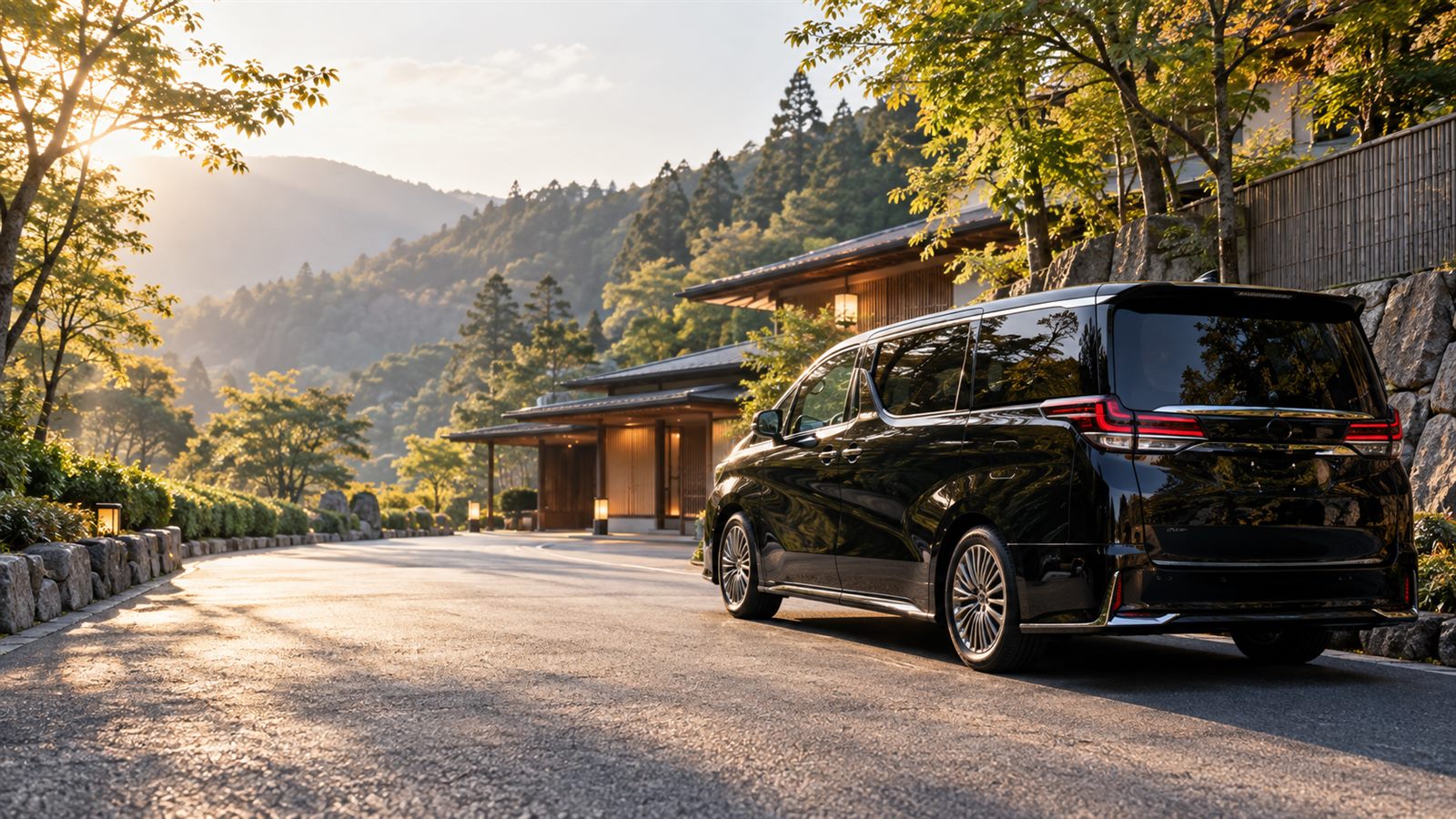
A private vehicle in a Japanese landscape

Ask about this journey

Choose or type. Approximate plans are welcome.

Enquiry service

Request a quote for these plans

Request a quote via WhatsApp

WhatsApp opens a prepared message. For email, submit here and we will reply to your address.

Service and trip details (optional)
Your email and enquiry

We will reply to the email you provide. An enquiry does not confirm a booking.

For online enquiries, add a reply email and a short question or route. No passport or payment-card details, please.

Online enquiries use our protected submission service. WhatsApp and Email are also available.

You can also email us directly at hello@vesunari.com

Open the full quick enquiry page

A useful order

Dates and cities first. Individual reservations later.

A Japan itinerary becomes hard when too many fixed decisions arrive too early. Begin with the length of the trip, the cities that matter most and a travel pace your group can sustain. Then choose hotels, transport and individual experiences around that structure.

Picture the journey, then choose the route

Different places.
Space between them.

Start with the city days you look forward to, then leave space for the journeys between them. Share your priorities so we can discuss a practical route and the support you need.

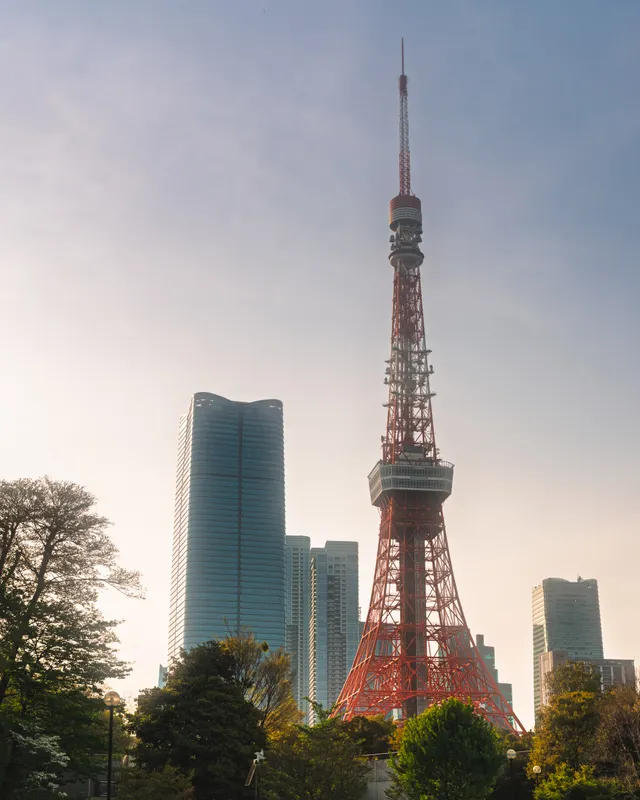
Tokyo Tower among the city skyline in soft evening light

Tokyo · choose your base

Find a hotel base for the neighbourhoods you want to explore, keeping your airport arrival in mind.

Photo: Boris Ulzibat / Pexels
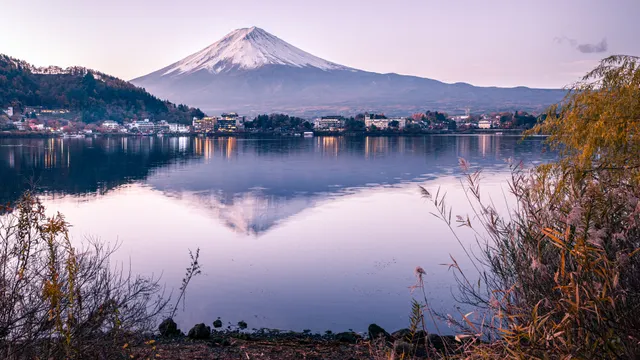
Snow-capped Mount Fuji reflected in Lake Kawaguchiko

Fuji · make room for the view

Consider a separate day or overnight stay if Fuji matters to you, with flexibility for the weather.

Photo: Allan Tee / Pexels
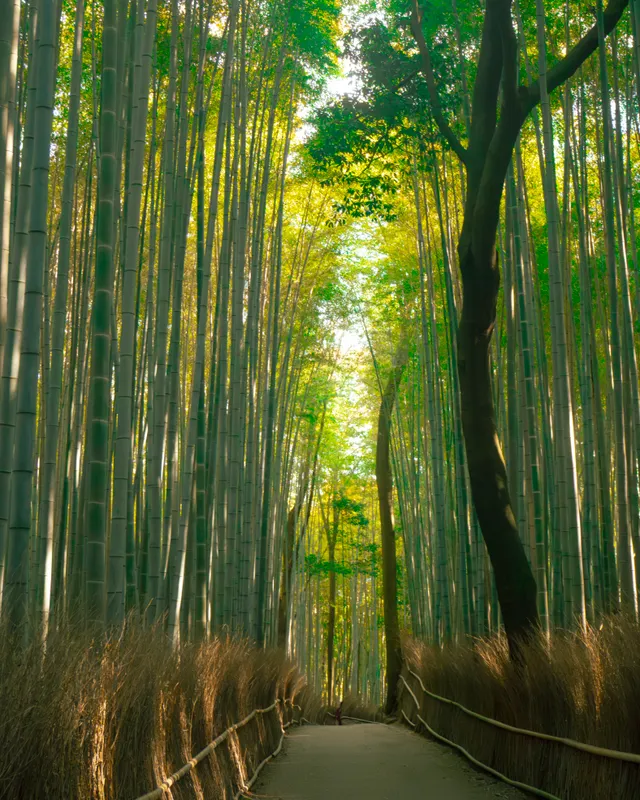
A path through the tall bamboo grove in Arashiyama, Kyoto

Kyoto · take time on foot

Give an area such as Arashiyama time of its own, rather than squeezing it into a hotel-change day.

Photo: Irina Senti / Pexels

1. Define the trip shape

Decide whether you want one region, a classic city route or a wider multi-region journey. A shorter trip often benefits from fewer bases; a longer stay can leave room for another region or quieter days.

2. Decide the city order with the airports

Think about arrival and departure cities before committing to every hotel. A route that begins in one city and ends in another can reduce backtracking, while a return trip can still work if its final move is planned deliberately.

3. Choose hotel bases and transfer days

Each hotel move has a cost in time and energy. Put a lighter activity beside an intercity move rather than treating a transfer day as a full sightseeing day.

4. Match transport to each move

There is no need to use one method for every day. Rail can suit a simple city-to-city journey; a private transfer can help when luggage, a group, hotel access or a specific schedule make door-to-door coordination valuable.

Planning checklist

The questions that make an itinerary more useful.

  • Travel prioritiesList a few non-negotiables, then identify which are flexible. This protects the route from becoming a list of competing wishes.
  • Daily rhythmConsider when the group needs a slower morning, a longer meal, a rest day or an earlier evening.
  • Arrival and luggageUse flight arrival time, number of cases and hotel location to decide whether the first move should be simple and direct.
  • City-to-city daysCheck what a transfer day actually asks of everyone before adding timed visits on both sides of it.
  • Support scopeWhen asking for local assistance, say whether you want help with a single move, a day of transport, several services or the wider route. It makes the next conversation clearer.

A worked planning example

Turn the cities and nights into a plan you can discuss.

  • Ten days, nine nights: Tokyo 4 + Kyoto 3 + Osaka 2For an illustrative Tokyo arrival and Kansai departure, spend nights 1–4 in Tokyo, 5–7 in Kyoto and 8–9 in Osaka, leaving on day 10. Make days 5 and 8 lighter hotel-change days. This is a planning example, not a fixed tour, reservation or promise that every activity will fit.
  • Check the fixed points before adding stopsIf flights return from Tokyo instead, reallocate the final nights and the return move before booking hotels. With children, slower walking or more luggage, compare fewer hotel bases rather than adding another city. Use the classic-route guide for a fuller airport-order comparison. Tokyo, Kyoto and Osaka route guide
  • A short brief to send usDates and arrival/departure airports; hotels and nights already fixed; adults, children, cases and walking needs; two or three priorities and preferred pace. Say which parts you will book yourself and whether you need route advice, particular vehicle days or wider coordination. An approximate budget is optional but useful for discussing scope.

The example organises hotel nights and transfer days; transport, availability and included services still need to be agreed separately.

Plan from a real question

Continue with the route or service that fits your stage.

Turn the outline into a practical journey

Start with what is decided and what still feels uncertain.

Share your dates, cities, group and interests. We can discuss how local transportation and travel coordination may fit the trip you are planning.

Already have a route?
Tell us the cities, dates and parts that need practical coordination.
Still comparing options?
Start with the travel guide and itinerary pages; you do not need a finished plan to ask a question.
Only need transport?
Use the relevant airport, driver or intercity transfer page for a faster transport quote.