Japan itinerary planning

Choose a Japan itinerary that gives your trip room to work.

A seven-, ten- or fourteen-day trip is not just a different number of nights. It changes the route, hotel rhythm and amount of time you can spend in each place.

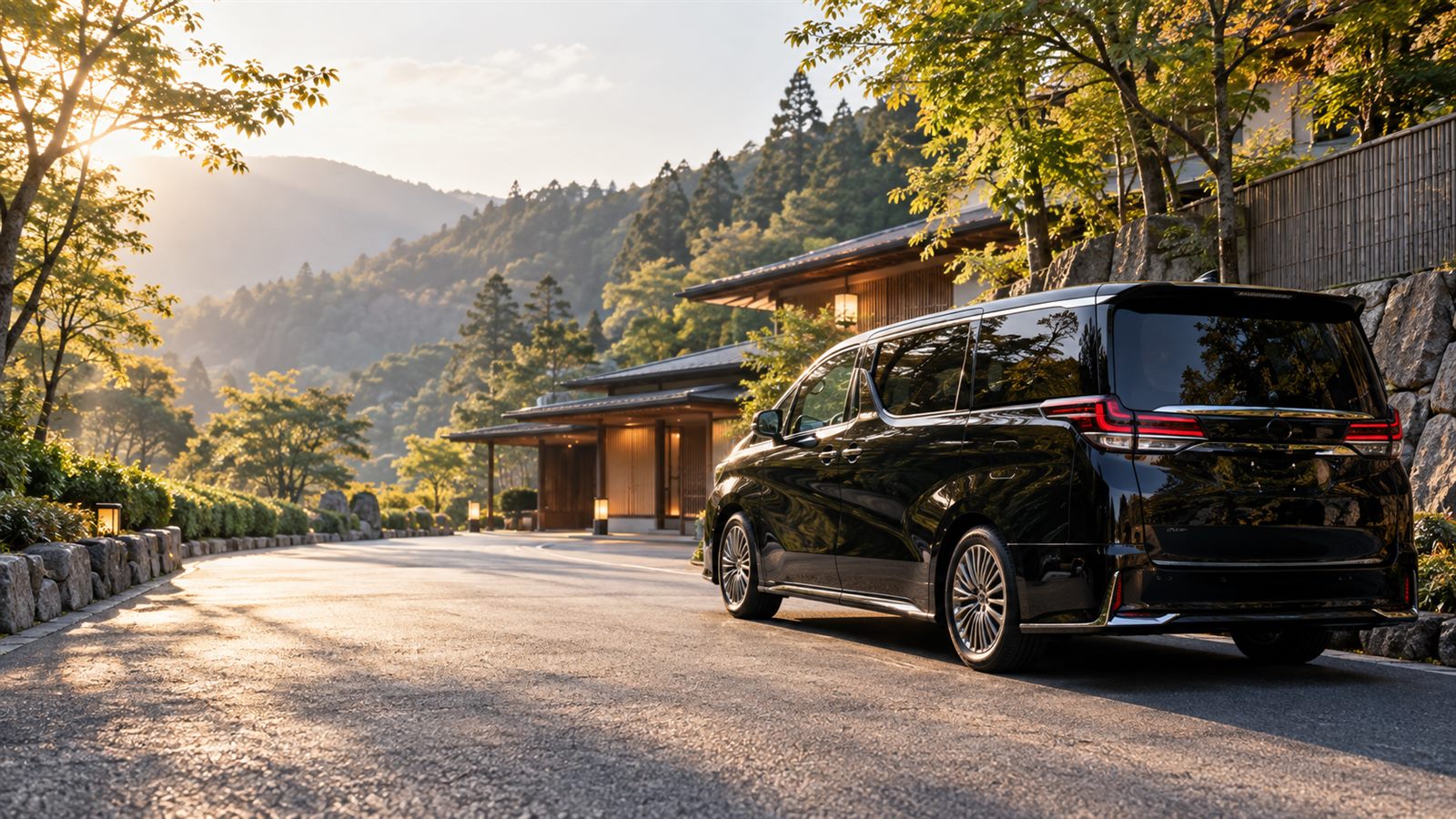
A private vehicle in a Japanese landscape

Start with the shape of the trip

Choose fewer places before you choose more activities.

There is no universal Japan itinerary. Flight options, interests, hotel changes, luggage and the energy of the people travelling together all affect what a comfortable route looks like. Use the days you have to create a pace you can actually enjoy.

Seven days: choose a clear centre of gravity

A shorter first visit often works best with one main region, or a small number of city bases. Decide what matters most rather than treating every famous place as essential.

Ten days: connect two parts of Japan with purpose

With a little more room, a route can combine distinct city rhythms without making every other day a hotel move. The arrival and departure airports can help determine the natural direction.

Fourteen days: add depth before distance

More time can support an additional region, quieter stays or slower days. It does not require filling every day; rest, weather and unplanned discoveries are part of a good longer trip.

Any length: protect the arrival and transfer days

Long-haul arrivals, city changes and luggage deserve their own consideration. A plan that leaves breathing room is usually easier to follow than one that assumes every transfer is effortless.

Choose by constraint

Let the decisions you cannot change guide the rest.

  • Start with the flight patternA Tokyo-in, Osaka-out route can reduce a return move when those flights suit the trip. A Kansai-in, Tokyo-out route can work just as naturally in reverse.
  • Count hotel changes, not only citiesEvery new base also means packing, checkout, check-in and finding your bearings again. A slower trip can still include meaningful day trips from one well-chosen base.
  • Give luggage a role in the routeRail can be an excellent station-to-station option. When door-to-door handling, several cases, children, older relatives or a precise schedule matter, a private car service may be the more practical part of the plan.
  • Keep sightseeing separate from a major moveIt can be better to make a direct transfer and begin exploring after settling in than to turn a travel day into a race against the clock.

Use a route shape, not a fixed package

Build around the places and days that matter to you.

  • Seven days: make Kansai the centre of gravityKyoto, Nara and Osaka can make a coherent first route when you want fewer long moves. In Kyoto, group nearby priorities by area—Fushimi Inari, Kiyomizu-dera and Arashiyama each deserve their own sensible place in the day—rather than treating every landmark as one itinerary. If a group wants one private day from Osaka, see how a Kyoto and Nara route can be kept focused.
  • Ten days: join Tokyo and Kansai in one directionA Tokyo–Kyoto–Osaka trip can work well as a one-way route, with one major move between Kanto and Kansai rather than a return transfer. For airport direction, city order and slower alternatives, use the Tokyo–Kyoto–Osaka itinerary guide.
  • Fourteen days: add one region after the main routeOnce Tokyo and Kansai have room to breathe, a longer journey can add a considered extension such as Hiroshima and Miyajima instead of becoming a chain of one-night stops. Choose the extra region around your interests, weather and tolerance for moving hotels.
  • Custom support when it solves a real problemWhen several regions, interests and local arrangements must work together, begin with the route and priorities before deciding where private transport is genuinely helpful. Private Journeys explains how we can discuss practical coordination without forcing every part of the trip into one travel method.

Route examples, not fixed packages

Use one clear priority for each day.

  • Seven days in Kansai: give Kyoto separate daysKeep Fushimi Inari with eastern Kyoto priorities such as Kiyomizu-dera and Gion, rather than combining them with Arashiyama at the other side of the city. Use another day for Nara, or choose just one area when a family, slower walking pace or seasonal crowds make a shorter plan more enjoyable.
  • Ten days: make the Tokyo–Kansai move a travel dayUse Tokyo for the interests that brought you there, then move once to a Kyoto or Osaka base. Train can suit a straightforward station-to-station move; a private transfer is worth discussing when hotel access, several cases, children or a planned road stop make door-to-door coordination more useful.
  • Fourteen days: add an extension without breaking the routeAfter allowing enough time for Tokyo and Kansai, Hiroshima and Miyajima can be a considered extension for travellers who want another region. Give the extension its own overnight rhythm rather than treating it as a detour squeezed around an intercity transfer.
  • Use the vehicle where it solves a real constraintA private car can be especially useful for a hotel-to-hotel day with luggage, a focused Kyoto and Nara route, or a group whose mobility needs change the transport decision. It does not need to replace rail on every leg; the practical choice depends on the actual route.

Continue planning

Make the route practical

Tell us how long you have, where you hope to go and what needs to work well.

Share your likely dates, airports, cities, group and any transport or guide needs. We can discuss a sensible next step for the trip you are considering.

Helpful to include
Trip length, likely airports, cities, group needs and any parts of the route that feel difficult.
For a confirmed transfer
Use the relevant airport or route page when you already know the service date, pickup and destination.
For a wider trip
Use Private Journeys when several cities and local services need to fit together.