Japan family travel

Plan a Japan family trip with more room to breathe.

A good family route protects energy, keeps luggage manageable and gives every traveller a little margin.

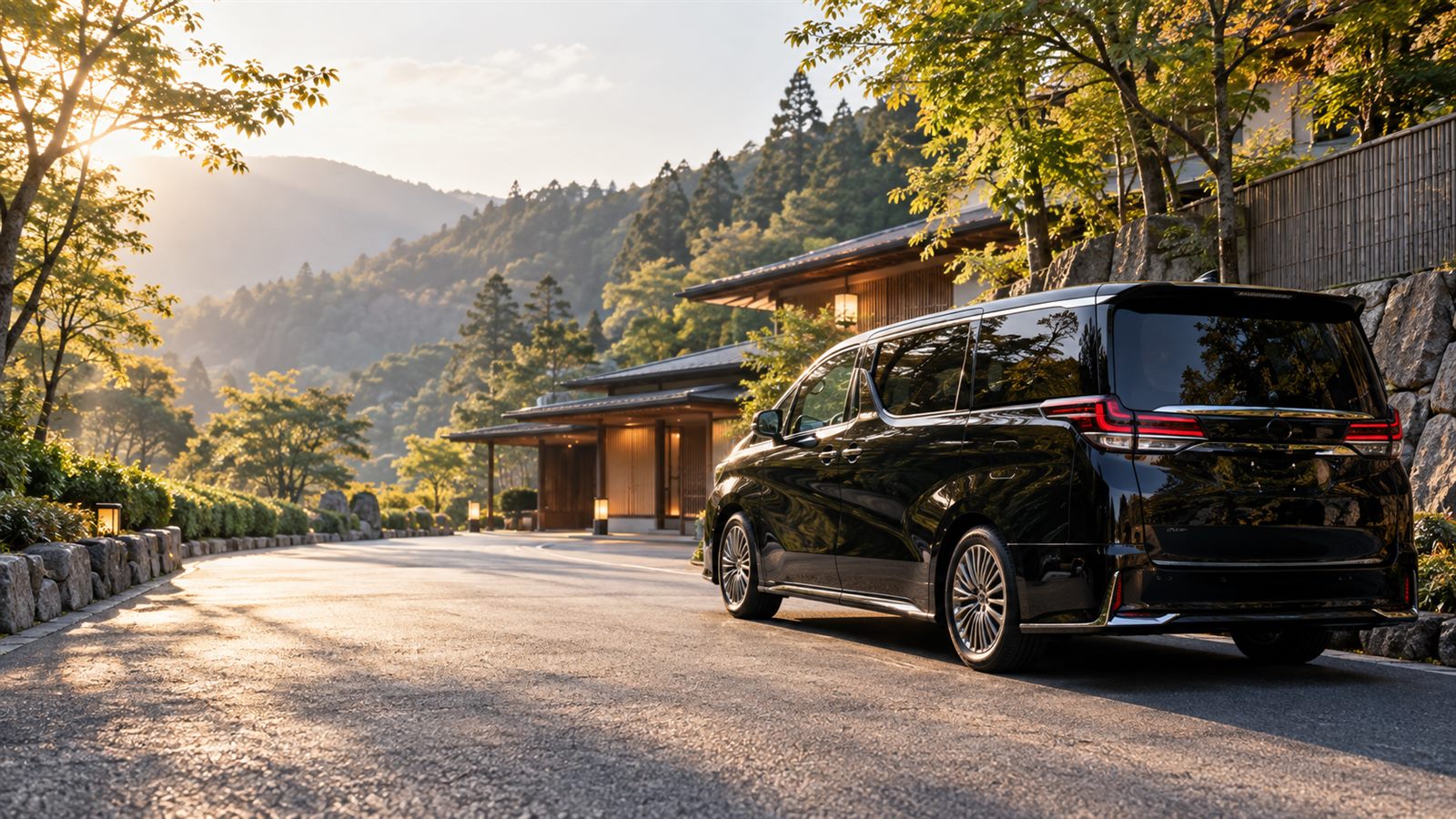
A private vehicle in a Japanese landscape

Start with the pace

Fewer moving parts can make a family trip feel much bigger.

Japan has excellent transport, but a family route is not just a map of famous places. Hotel changes, station transfers, naps, meals and bags shape the day as much as sightseeing. Start with what will make the group feel comfortable, then decide what belongs in the plan.

Choose bases before individual sights

Pick a small number of city bases, then see which nearby places can work as day trips. This gives children and adults a familiar place to return to and avoids turning every morning into a checkout day.

Keep arrival day deliberately light

After a long flight, treat the airport-to-hotel move and a simple meal as enough. Save the first full sightseeing day for after the group has rested and knows its bearings.

Make luggage part of the route

Large cases, strollers and several travellers can change which stations, hotels and transfer methods feel practical. Decide how you want to handle bags before choosing a tight sequence of city moves.

Build one flexible period into each day

Rather than scheduling every hour, keep space for a longer lunch, an earlier return to the hotel, a playground stop or weather changes. It is often the difference between a full day and an exhausting one.

Questions worth answering early

Plan for the people travelling, not an imagined average traveller.

  • AccommodationCheck room layouts, bedding, laundry access and how far the hotel is from the places you will use each day.
  • Child seats and vehicle needsIf you need child seats, space for a stroller or a particular luggage arrangement, mention it when asking about transport so suitability can be confirmed for the actual group.
  • Intercity movesRail can suit a straightforward station-to-station day. Door-to-door transport can be worth considering when a group, luggage, hotel access or timing makes the change harder.
  • Different interestsOne group may want food, culture, shopping, nature or downtime in different measures. Use a route that allows choices without splitting the day into too many journeys.
  • Peak periodsBusy holiday periods can change the feel of stations and popular areas. Leave extra time and avoid making a transfer day do too much.

Choose a route shape first

Let the family’s pace decide how many bases the trip needs.

  • One base, simpler daysFor a shorter stay, younger children or anyone recovering from a long flight, one well-chosen city base can leave more energy for day trips and unplanned time.
  • Two bases, one meaningful moveA first visit can combine Tokyo with a Kansai base such as Kyoto or Osaka. Keep the intercity move clear and deliberate instead of treating it as a sightseeing day.
  • More days, add breathing room before citiesWith a longer trip, add rest, a slower stay or a day trip before adding another one-night stop. The 7, 10 and 14 day guide can help compare the trade-offs.
  • Choose airports with the routeIf flight options allow, look at arrival and departure cities before fixing every hotel. A one-way route can reduce backtracking; a return journey can still work when the final move has room in the plan.

Continue planning

Use the guide that solves the next decision.

Plan around the real group

Tell us what would make the journey easier for your family.

Share dates, ages if relevant, cities you are considering, luggage and the parts of the trip that feel complicated. We can discuss a practical next step.

For an airport arrival
Use the airport transfer pages for flight, hotel, guests and luggage details.
For several cities
Start with Private Journeys when you want the route and local arrangements considered together.
For an early-stage idea
You do not need every day decided before starting a conversation.